Palästinensische Waren umfassen mehr als tausend Jahre Handwerkstradition – Keramik, Kunst, Kleidung, Leder, Stickereien, Olivenholz und Kufiyas, alles in Palästina hergestellt von Menschen, die noch dort sind. Dieser Leitfaden behandelt jede wichtige Kategorie, wer sie herstellt und wo man das Original findet.
Es gibt eine Version von „palästinensischen Waren“, die fast vollständig symbolisch ist – massenproduzierte Artikel mit Kufiya-Aufdruck, die in China hergestellt und unter vager Solidaritätsmarke verkauft werden. Und dann gibt es das Original: Palästinensische Waren, die in Palästina von Palästinensern hergestellt werden, die nicht weggegangen sind, die immer noch in ihren Werkstätten sind und ihre Fähigkeiten an die nächste Generation weitergeben.
Dieser Leitfaden handelt von der zweiten Art. Er deckt die gesamte Palette der heute erhältlichen authentischen palästinensischen Produkte ab – von Keramik und Kunst bis hin zu Kleidung, Leder, Schmuck und der Kufiya selbst – und erklärt, was jede Kategorie wissenswert macht.
Was macht etwas zu einer palästinensischen Ware?
Die einfachste Antwort: Es wurde in Palästina hergestellt, von palästinensischen Händen, unter Verwendung von Handwerkstraditionen, die ihren Ursprung in diesem Land haben. Das schließt Artikel aus, die lediglich mit palästinensischen Symbolen – der Wassermelone, dem Kufiya-Muster, den Flaggenfarben – versehen sind, ohne tatsächlichen Bezug zu Palästina oder palästinensischen Handwerkern.
Authentische palästinensische Waren stammen aus bestimmten Werkstätten in bestimmten Städten: Hebron (الخليل), Jerusalem (القدس), Bethlehem (بيت لحم), Nablus (نابلس), Ramallah (رام الله) und den Dörfern des Westjordanlandes. Jede Stadt hat ihre eigenen Handwerkstraditionen – Hebron für Glasbläserei, Weberei und Lederwaren; Bethlehem für Olivenholzschnitzereien und palästinensische Stickereien; Nablus für Seife und seine jahrhundertealte Keramikfliesentradition.
Wenn Sie palästinensische Produkte kaufen, die tatsächlich in Palästina hergestellt wurden, ist der Kauf direkt: Er erreicht eine bestimmte Person an einem bestimmten Ort. Diese Direktheit ist kein Gefühl. Sie ist Ökonomie – und sie ist wichtig.

Hirbawi Kufiya-Fabrik in Hebron – der letzte palästinensische Kufiya-Hersteller, der seit 1961 webt
Palästinensische Keramik
Palästinensische Keramik ist eine der ältesten und am besten dokumentierten Handwerkstraditionen in der Region. Das keramische Erbe Palästinas reicht Tausende von Jahren zurück – handbemalte Fliesen aus der Jerusalemer Altstadt, glasierte Schalen aus den Werkstätten in Hebron, die unverwechselbaren blau-weißen Muster, die von osmanischen und byzantinischen Traditionen beeinflusst wurden und noch heute hergestellt werden.
Zeitgenössische palästinensische Keramikkunst reicht von traditionellen – bemalten palästinensischen Keramiktellern und palästinensischen Keramikschalen, die in Hebron und Jerusalem hergestellt werden – bis hin zu funktionalen Alltagsstücken, die über die Sumud Stories Kollektion erhältlich sind:
-
Sumud Al Quds Keramik-Untersetzer – Bemalt mit den Dächern Jerusalems (القدس, Al-Quds). Handgefertigt und funktional – ein Untersetzer für Ihren Tisch und ein Stück Stadt für Ihr Zuhause.
-
Sumud Dar Keramik-Magnet – „Dar“ bedeutet Zuhause. Ein kleiner handbemalter Keramikmagnet in Form eines palästinensischen Hauses.
Wenn Sie speziell nach palästinensischen Keramikfliesen oder größeren Dekorationsstücken suchen, sind die Keramikwerkstätten in Hebron und Jerusalem die Hauptquelle – und Stücke aus diesen Werkstätten erscheinen gelegentlich im kuratierten Sortiment von Sumud Stories.
Die Sumud Stories Kollektion schöpft stark aus palästinensischen künstlerischen Traditionen – benennt Stücke nach Ghassan Kanafani, nach dem Palästina-Sonnenvogel, nach dem Fluss und dem Meer, die die Geographie des Landes definieren. Dies sind Objekte, die die Geschichte Palästinas lehren.

Die Kufiya – Palästinas bekanntestes Exportgut
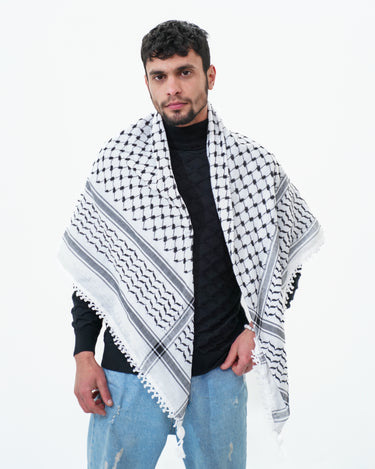
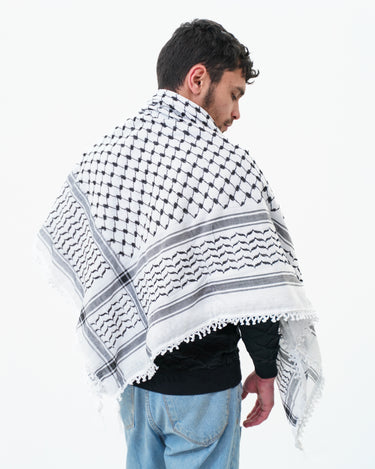
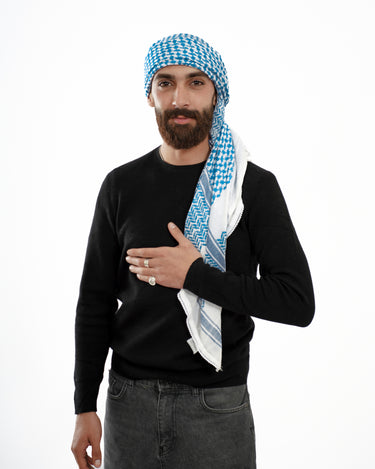
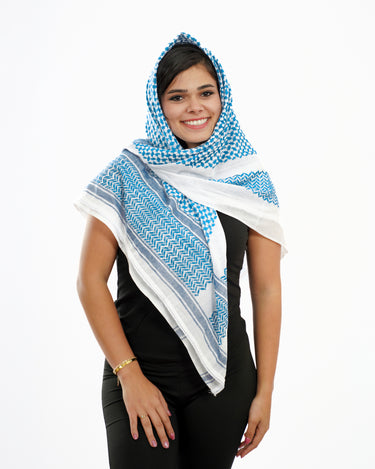
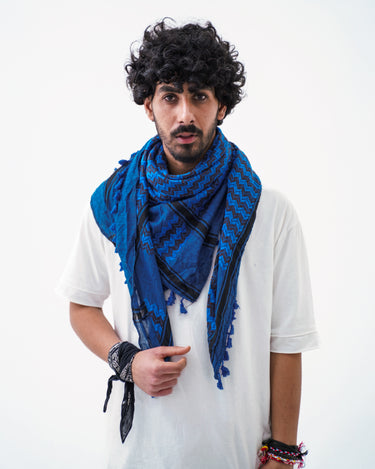
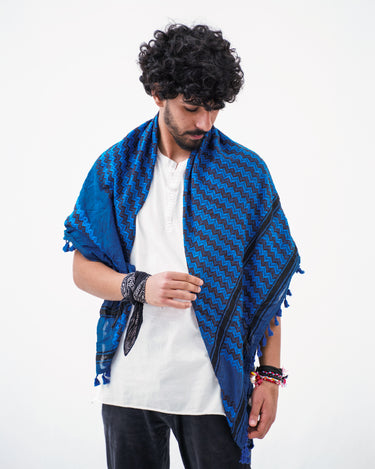
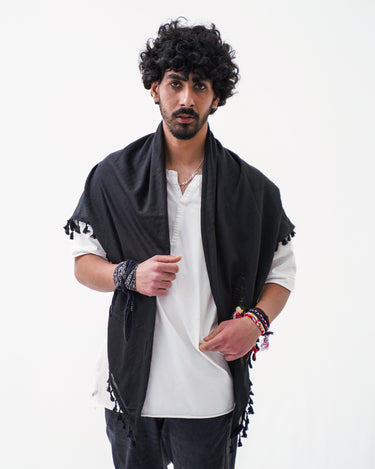
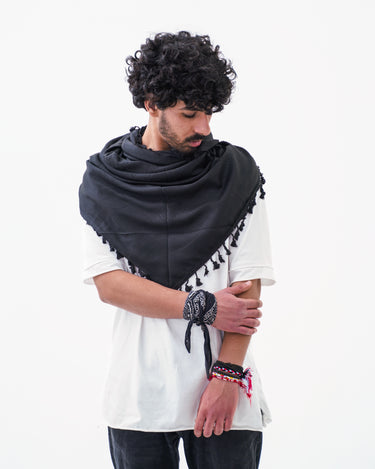
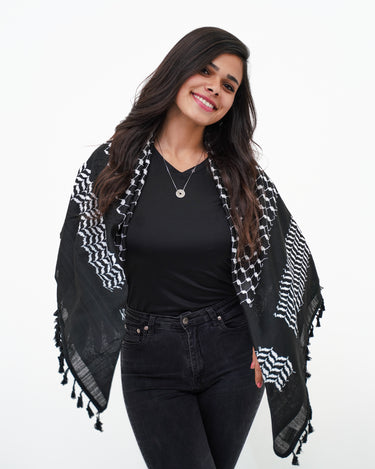
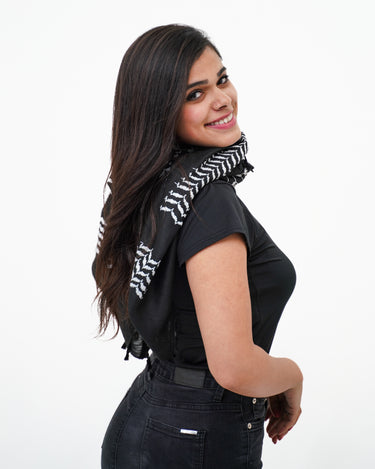
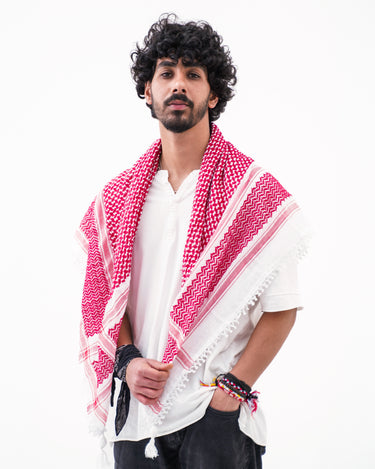
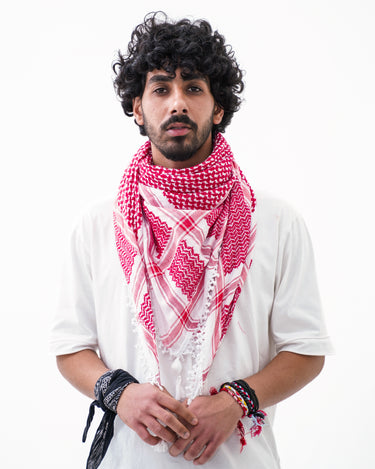
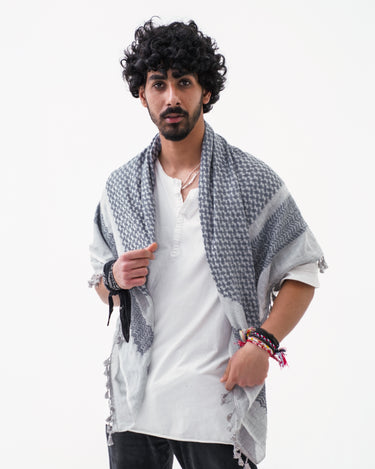
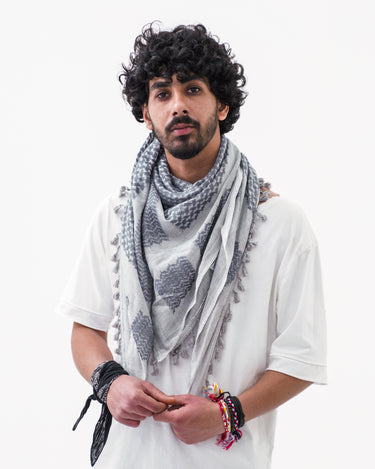
Die Kufiya (auch Kehfijeh, Kufiyah geschrieben) ist für die meisten Menschen, die palästinensische Waren entdecken, der Ausgangspunkt. Ihr schwarz-weißes Fischernetzmuster ist eines der weltweit bekanntesten Symbole des 20. Jahrhunderts, und doch werden fast alle heute verkauften Kufiyas in China oder Bangladesch hergestellt.
Es gibt eine Ausnahme: Hirbawi®, seit 1961 in Hebron tätig – die letzte Kufiya-Fabrik in Palästina. Jede Kufiya von Hirbawi wird auf denselben Webstühlen, in derselben Stadt, von derselben Familie gewebt, die dies in den 1960er Jahren begann. Sie sind schwerer, dichter und haltbarer als die massenproduzierten Alternativen. Der Unterschied ist sichtbar, sobald man eine in der Hand hält.
Entdecken Sie die gesamte Hirbawi® Kufiya Kollektion →

Palästinensische Kleidung
Palästinensische Kleidung hat eine tiefe und vielschichtige Tradition. Historisch gesehen waren die Kleider palästinensischer Frauen – die Thobe (ثوب) – mit Tatreez (تطريز)-Mustern bestickt, die für jedes Dorf spezifisch waren und eine visuelle Geographie der Zugehörigkeit schufen, die von denen gelesen werden konnte, die den Code kannten. Die Kleidung palästinensischer Männer umfasste die Kufiya sowohl als praktische Kopfbedeckung als auch als kulturelles Merkmal.
Heute reicht die international erhältliche palästinensische Kleidung von traditionell bis zeitgenössisch. Innerhalb des Online-Angebots:
-
Bestickte palästinensische Kleidung von PalStitch™ – Hoodies, T-Shirts und Taschen mit Tatreez-Stickereien aus bestimmten palästinensischen Städten. Dies sind palästinensische Kleidungsstücke, die täglich getragen werden können, während sie ihre Herkunft sichtbar tragen.
-
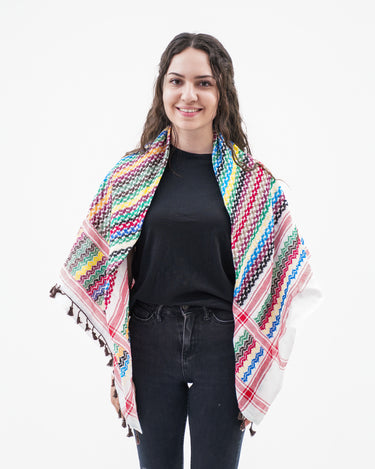
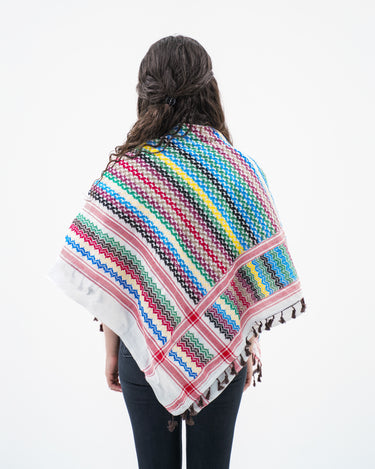
Die Kufiya selbst – das international am leichtesten tragbare Stück palästinensischer Kleidung, das von beiden Geschlechtern und in allen geografischen Regionen getragen wird.
Für palästinensische Kleidung online bietet der Hirbawi-Shop unter kufiya.org die umfassendste Auswahl an tragbaren palästinensischen Waren, die international versendet werden können – von der Kufiya bis zu Tatreez-bestickter Kleidung und Accessoires.
Palästinensische Stickerei – Tatreez
Tatreez (تطريز) ist die traditionelle Stickerei Palästinas und eine der bedeutendsten Kunstformen in der palästinensischen Kultur. Jedes Dorf hatte historisch eigene Muster, Farben und Stichkonventionen – eine visuelle Sprache der Zugehörigkeit. Heute wird Tatreez von palästinensischen Frauen im Westjordanland, in Gaza und in Diaspora-Gemeinschaften als Akt kultureller Erinnerung praktiziert.
PalStitch™ bringt Tatreez in zeitgenössische Alltagsgegenstände – Tragetaschen, Beutel und Kleidung, die mit Mustern aus spezifischen palästinensischen Städten und Regionen bestickt sind.
Alle palästinensischen Stickereien von PalStitch™ entdecken →

PalStitch palästinensische bestickte Tragetaschen – Tatreez-Stickerei auf Alltagstaschen
Palästinensische Lederwaren
Hebron hat eine lange Tradition in der Lederverarbeitung. Die Gerber und Handwerker der Stadt stellten seit Generationen Lederwaren her, und diese Tradition setzt sich in den Werkstätten hinter Sumud Stories™ fort – Hirbawis kuratierter Linie palästinensischer Handwerksprodukte.
Die Lederstücke sind dezent und für den täglichen Gebrauch bestimmt: Geldbörsen, Schlüsselanhänger, Organizer, Clutches, Hüllen. Jedes Stück trägt Kufiya-Musterdetails als Herkunftszeichen – unaufdringlich, nicht aufdringlich. Dies sind Objekte, die für jahrelangen Gebrauch gemacht sind.
Alle palästinensischen Lederwaren aus der Sumud Stories™ Kollektion entdecken →

Palästinensischer Schmuck
Palästinensischer Schmuck hat eine ausgeprägte Sprache: lokal bearbeitetes Kupfer und Messing, Stein und Keramik kombiniert mit Metall, Formen, die der Landschaft entlehnt sind – der Sonnenvogel, der Olivenbaum, die Silhouette des Landes selbst. Die Schmucklinie von Sumud Stories vereint einige dieser Traditionen in alltagstauglichen Stücken.
-
Sumud Ard Falasteen Halskette – Die Form Palästinas, nah am Herzen getragen. „Ard Falasteen“ bedeutet „Land Palästina“.
-
Sumud Sonnenvogel-Halskette – Der Palästina-Sonnenvogel (طائر الشمس) ist der Nationalvogel Palästinas. Zart und spezifisch.
-
Sumud Kupfer-Kufiya-Armband – Kupfer, gestempelt mit dem Kufiya-Webmuster. Täglich getragen, entwickelt eine Patina.
-
Sumud Kupfer-Kufiya-Ring – Das gleiche Muster, kleiner. Ruhig und präzise.
-
Sumud Fluss & Meer Ohrringe – Benannt nach dem Jordan und dem Mittelmeer – den geografischen Grenzen Palästinas.
-
Sumud Waraqa Ohrringe – „Waraqa“ bedeutet Blatt. Gepresstes Kupfer, geformt wie das, was aus dem Land wächst.
-
Sumud Hisham Mosaik-Halskette – Inspiriert von den Mosaiken des Hisham-Palastes in Jericho, einem der größten Schätze des palästinensischen Erbes.
-
Sumud Taffouh Stein-Halskette – „Taffouh“ bedeutet Apfel. Naturstein, in Palästina bearbeitet.
-
Sumud Kanafani Schlüsselanhänger – Benannt nach Ghassan Kanafani, dem palästinensischen Schriftsteller. Ein Stück mit einem Namen, der lehrt.

Sumud Stories palästinensischer Schmuck – Kupferarmband, Ring und Halsketten, hergestellt in Palästina
Palästinensisches Olivenholz
Palästinensisches Olivenholz ist eines der markantesten Materialien im palästinensischen Handwerk. Palästinensische Olivenbäume gehören zu den ältesten kultivierten Bäumen der Welt – einige Haine im Westjordanland sind über tausend Jahre alt – und palästinensische Olivenholzprodukte werden seit Jahrhunderten von Handwerkern in Bethlehem und den umliegenden Dörfern geschnitzt, gedrechselt und bearbeitet.
Olive Wood Oasis™ stellt handgeschnitzte Gebetsperlen aus palästinensischem Olivenholz her:
Palästinensische Mode
Die heutige palästinensische Mode ist keine einzelne Ästhetik – sie ist eine Reihe lebendiger Handwerkstraditionen, die in zeitgemäße, tragbare Formen gebracht wurden. Palästinensische Modemarken, die heute tätig sind, greifen auf Tatreez-Stickereien, Kufiya-Webmuster und das visuelle Vokabular der palästinensischen kulturellen Identität zurück, um Objekte zu schaffen, die sowohl als Kleidung als auch als kulturelles Statement getragen werden.
Mode in Palästina war schon immer eher mit Handwerk als mit Industrie verbunden – die Schneiderinnen, Stickerinnen und Weberinnen von Bethlehem, Hebron und Ramallah repräsentieren eine lebendige Designtradition, die die Modeindustrie um Jahrhunderte überdauert. Was zeitgenössische palästinensische Modedesigner tun, ist, diese Tradition tragbar und international sichtbar zu machen.
Für international erhältliche tragbare palästinensische Mode sind die Kufiya und die bestickte PalStitch™-Kleidung die zugänglichsten Ausgangspunkte. Sehen Sie sich die gesamte Kollektion unter kufiya.org/collections/shop-palestine an.

Wo man palästinensische Waren kaufen kann
Die kurze Antwort: kufiya.org/collections/shop-palestine ist die vollständigste Sammlung authentischer palästinensischer Waren, die online erhältlich sind – alle international versandt, alle von Palästinensern in Palästina hergestellt.
Für die handwerklichen Produkte im Besonderen – Leder, Keramik, Schmuck, Olivenholz und Stickereien – ist die Sumud Stories™ Kollektion der richtige Ausgangspunkt. Und für die Kufiya gibt es nur noch eine Fabrik, die in Palästina betrieben wird: Hirbawi®.
Dies sind keine symbolischen Käufe. Es sind Transaktionen mit Menschen, die noch da sind, noch Dinge herstellen, in Werkstätten, die mehr überstanden haben, als die meisten von uns je erleben werden. Jede aufgegebene Bestellung ist ein kleines Stück wirtschaftlicher Sumud – Bleiben, durch Handel.
→ Entdecken Sie alle palästinensischen Waren von Sumud Stories™ – handgefertigt in Palästina.